


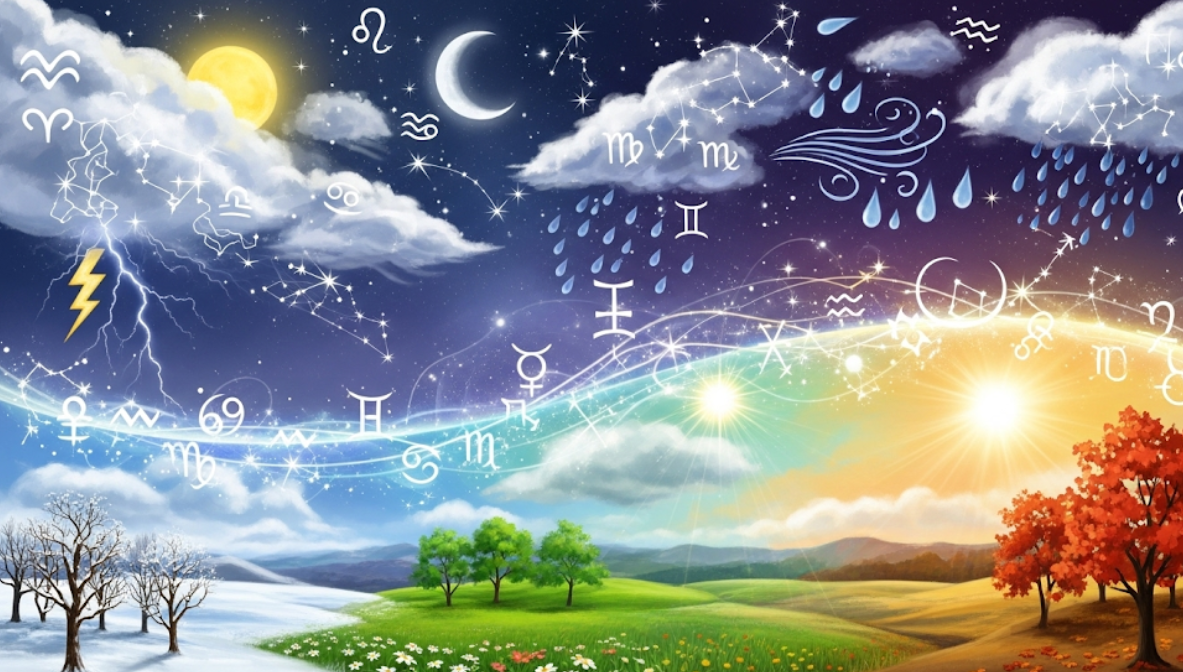
Ever pay attention to how you become moody based on the weather? But have you ever paused to think why some times of the year are just magical and some are not? Seasonal astrology — an ancient practice — agrees with this view. This niche area of astrology looks at how the seasons, weather and celestial bodies interact with everything else.
Since the time of old, humanity has always looked up to the sky and down to the earth for help. Science has afforded us weather forecasts and access to astronomical facts, but the intelligence of seasonal astrology remains important for understanding the more subtle links between planetary cycles and human life.
The Foundation of Seasonal Astrology
Seasonal astrology builds upon the idea that everything in the universe is linked. Like the moon’s impact on ocean tides, you may be more sensitive to the shifts our changing seasons and weather patterns bring — influenced by your emotions, energy levels, or life experiences. The practice can be a mashup of old-school astrology with weather lore and observations from seasons passed.
Here are some points where seasonal astrology differs from normal astrology that is based upon planetary positions:
- 4 seasons and their energy
- Weather patterns and atmospheric changes
- Natural cycles like daylight hours
- Agricultural and harvest timing
- Animal migration patterns
- Plant growth cycles
Ancient Roots and Modern Applications
In contrast, our forefathers lived in much closer proximity to nature than us. They needed to observe the change in seasons for their very survival. When it was time to plant crops, when animals were on migrations, when weather conditions were brewing.
These empirical observations slowly turned into an advanced process that combined:
- Temporal Dimension: This is when something in nature occurs
- Weather systems: The impact of changing atmosphere on life
- Celestial bodies: Changes slightly across seasons, get an idea of where things shall be at different times
- Human behavior: Implications of natural cycles
Spring is All About New Beginnings
The arrival of Spring sees big shifts not just in the weather but also in our night sky. Powerful shifts in energy and mood are visible as temperatures warm up, and daylight hours expand.
Weather Influences in Spring
Spring weather is famously unpredictable. It can be sunny and warm one day and then cold with rain the next. This constant change gives off a vibe that many people will simultaneously love and hate.
Common spring weather patterns include:
- Sudden temperature swings
- Increased rainfall and storms
- Wind and pressure changes
- More daylight each day
- Warmer, wet snow
The climate changes are influencing individuals in numerous ways:
- Energy surges from increased sunlight
- Unpredictable mood swings akin to the weather
- Restlessness and desire for change
- Allergies and physical sensitivity
- Motivation to start new projects
Spring Stars and Constellations
The magic of the spring sky — like nowhere else in the world. Crucial star clusters come into vision, the sun relocates through astrological positions correlated with prosperity and renewal.
We can observe in the Spring Months:
| Date | Most Impactful | Ruling Constellation | Transitioning Characteristics |
|---|---|---|---|
| March | Pisces to Aries | Intuition changing to action | |
| April | Aries to Taurus | Energy becoming stable | |
| May | Taurus to Gemini | Stability into communication |
The spring equinox is a perfect balance of night and day. In the seasonal astrology framework, this astronomical event symbolizes balance and new beginnings.
Seasonal Astrology Practices for Spring
Spring is often a time for people who have been following seasonal astrology, including:
- That fresh-start-feeling makes this a natural period for setting new objectives
- Ritual cleansing to mirror the renewal of nature
- Lunar gardening planning
- Mood and energy forecasting, aka ‘weather watching’
- Meditate during sunrise to experience more sunlight growing around you
Summer: High Energy and Plenty of Light
An increase in solar energy makes summer prime time. People feel fantastic with the sun and warm weather; long days, plenty of sunshine — it is hard for people NOT to be happy.
How The Summer Weather Affects The Way We Experience It
Summer weather also has its own rhythm that shapes how we live, work and interact with the world around us.
Typical summer conditions:
- High temperatures and humidity
- Thunderstorms and sudden downpours
- Extremely long daylight hours in some regions, for example 16+ hours of light per day
- Stable high-pressure systems
- Drought conditions in some regions
Effects on people:
- Increased social activity and extroversion
- More energy but maybe unsustainable burnout
- The effects of extra daylight on your sleeping habits
- Dehydration and heat-related stress
- Vacation mindset and relaxation
Summer’s Celestial Display
You can watch some epic skies this summer. Warmer nights will be more pleasurable for you to go out and the stars become at their best visibility.
Key summer astronomical events include:
- Summer Solstice (the longest day)
- Summer Triangle
- Where the brightest regions of the Milky Way are visible
- Peak meteor shower activity
- Jupiter and Mars in several positions
Working with Summer’s Intense Energy
Positive approaches:
- Outdoor activities and nature connection
- Social gatherings and community events
- Travel and exploration
- Long-term creative tasks
- Physical exercise and sports
Caution areas:
- Overcommitment and burnout
- Not giving in to rest and shade
- Conflict due to heightened emotions
- Neglecting hydration and self-care
Autumn: Harvest Time and Preparation
In the same way, cosmic energy also gives a clear indication of change when autumn arrives. The days get shorter and the temps start to drop as nature gets ready for a long winter nap.
What Does the Autumn Weather Pattern Say?
It creates different set of conditions which affects us mentally as well as physically.
- It tells your body it’s about to get cold out
- Shorter days means less energy and more inward-focused nature
- Fall is the time of harvest, a reminder to attune with nature and appreciate all that we have in our lives
- Storm systems crossing regions
- Beautiful colorful foliage
The Autumn Sky’s Special Messages
The autumn transpires through several important astronomical events including:
- Autumn Equinox – Day and night meet equally
- Harvest Moon – The full moon nearest to the equinox
- The reappearance of Orion – A bright constellation
- Enhanced deep sky observation – Nights are longer
Seasonal Astrology Practices for Fall
Autumn is typically a season for:
- Reflection on the year’s experiences
- Harvest-related gratitude practices
- Preparation for winter’s quieter energy
- Releasing routines to relinquish what is not actually meant for you
- Home preservation practices, such as canning and organization
Winter: Time to Recharge Energy, Reflection and Inner Work
Winter sees the most extreme seasonal changes in a large number of climates. These shorter days, cooler weather and plants going dormant are perfect conditions for deep work, cozy environments and inner reflection.
Winter’s Weather Challenges and Gifts
The cold winter weather affects all of us in many different ways.
Common winter conditions:
- Cold temperatures and snow/ice
- Very short daylight hours
- Storm systems and severe weather
- Static and dry indoor air
- Seasonal Affective Disorder for some
Seasonal responses:
- Wanting to cocoon and sleep more
- More comfort, warm foods
- Social withdrawal and introspection
- Creative projects and indoor activities
- Family gatherings and traditions
Winter Deep Sky Objects and Stars
Winter nights give some of the best stargazing opportunities:
- Crisp air makes for clear views
- Long nights mean more observation hours
- The Orion constellation reigns over the winter sky
- Large and bright stars such as Sirius are easily seen
- Winter Solstice — The shortest day & longest night
Using Winter’s Contemplative Energy
According to seasonal astrology, winter is necessary for:
- Rest and recharge after months of hard work
- Deep thinking and life planning
- Skill development and learning
- Spiritual practices and meditation
- Family connections and tradition building
The Science Behind Seasonal Influences
Seasonal astrology might not be a hard science, but there is real research on how seasons impact us generally — weather-wise, and otherwise.
Documented Seasonal Effects
Various studies have shown:
- Economic indicators linked to clear weather and calendar points where people seemed happier
- Millions suffer from Seasonal Affective Disorder (SAD) in the dark winter months
- Light affects circadian rhythms
- Sunlight-based Vitamin D fluctuations
- Seasonal patterns affect production of hormones
- Seasonal variation of birth rates in some cultures
The Weather: How It Affects Mood and Behavior
In meteorology, weather has been shown to affect human experience:
- Barometric pressure-related headaches and joint pain
- The mood effects of negative/positive ionic levels in the air (calm versus energizing)
- Temperature extremes affect human aggression and social behavior
- Sunlight exposure impacts the amount of serotonin the brain produces
- Comfort and sleep quality are affected by humidity levels
Where Ancient Wisdom and New Science Meet
Modern practitioners of seasonal astrology can integrate traditional skills with contemporary science:
Traditional elements:
- Seasonal energy qualities
- Weather pattern interpretation
- Lunar and solar cycle timing
- Natural rhythm observations
Modern additions:
- Weather forecast integration
- Light therapy awareness
- Nutritional seasonal needs
- Mental health considerations
Practical Applications of Seasonal Astrology
Seasonal astrology can be invaluable as a means of planning and decision-making all year long.
Seasonal Energy and How to Plan Your Year
Every season brings different benefits for individual experiences:
Spring planning:
- Start new projects and relationships
- Embark on fitness and wellness journeys
- Plan garden and outdoor spaces
- Schedule spring cleaning and organization
Summer planning:
- Schedule social events and travel
- Plan outdoor activities and adventures
- Do creative work
- Maintain high-energy commitments
Autumn planning:
- Complete major projects before winter
- Get the house and finances ready for winter
- Schedule important decisions and evaluations
- Plan gratitude and reflection practices
Winter planning:
- Rest, study, and skill building
- Schedule family time and traditions
- Plan contemplative and spiritual practices
- Cultivate energy for a fresh start in spring
Weather-Based Daily Practices
Seasonal astrology followers make their day by the weather:
- Bright days – Time outdoors, good company, exciting ventures
- Rainy days – Reflection, reading, creative work
- Stormy weather – Release work, clean-up and emotional processing
- Cold days – Time for reflection, setting up goals and meditation
- Hot, humid days – Gentle activities, self-care and rest
Combining Weather Forecasting and Astrological Timing
Modern practitioners often combine weather forecasting with astrological timing:
- Look at the weather forecast for the upcoming week
- Highlight astrological events, such as full moons or when a planet changes signs
- Plan according to both influences
- Manage expectations against multiple factors
- Stay flexible as both weather and energy may shift
Creating Your Personal Seasonal Practice
Getting to know, and getting along with the cycle of seasons — you can do it too! No advanced knowledge needed or fancy tools.
Simple Ways to Begin
On-the-ground observations and learnings:
- Keep a weather and mood journal to look for patterns
- Watch sunrise & sunset timings all year long
- Take note of which times of the year seem to feel more vibrant or perhaps more difficult
- Notice how weather impacts your sleep and appetite
- Pay attention to changing seasons in your community and environment
Building Seasonal Awareness
Gradually develop deeper connections:
- Know when your seasons are & what you can grow
- Find major astronomical phenomena near you
- Explore traditional seasonal practices in your culture or other cultures you are attracted to
- Experiment with seasonal eating and activity choices
- Join a group that links you to natural rhythms
Advanced Seasonal Astrology Techniques
When you get more experienced, you may explore:
- Individual in-depth weather pattern analysis
- Combination of Western, Chinese & Vedic astrology
- Integration with other natural practices (herbalism, gardening, meditation)
- Weather and astronomical data at your location historically
- Seasonal retreat or ceremony planning
Common Misconceptions and Realistic Expectations
Seasonal astrology, just as many traditional practices, is highly misunderstood.
What Seasonal Astrology Is Not
This is what you should know about seasonal astrology:
- It doesn’t predict specific events or outcomes
- Not a replacement for weather forecasts and medical advice
- Doesn’t dictate your choices or decide your future
- Not scientifically precise as meteorology is
- Doesn’t work for everyone, or in every location
Realistic Expectations and Benefits
What seasonal astrology can offer:
- Improved natural awareness and understanding
- Reflective and personal planning tools
- Links with traditional knowledge and cultural practices
- Framework for understanding seasonal mood changes
- Living more in harmony with natural rhythms
Balancing Belief and Skepticism
Healthy seasonal astrology involves:
- Remaining curious without becoming dogmatic
- Testing things personally rather than taking them on faith
- Integrating ancient wisdom and modern scientific understanding
- Flexibility and adapting practices as needed
- Emphasizing the practical over the mystical
Conclusion
Seasonal astrology allows us to understand the connections between Earth’s weather patterns and cosmic cycles. More clearly evident than daily experiences evolving hour by hour, day to night and then through the year thanks to each season, each weather pattern and celestial event.
Whether you see seasonal astrology as a form of spirituality, a tool for personal planning, or just an entertaining lens through which to view the world around you, these systems offer unique ways of living more mindfully with the seasons. Striking the balance between ancient wisdom and modern knowledge, letting them complement one another when understanding your connection to nature is what is essential.
In an era of rapidly changing climate and increasingly disconnected human lives, seasonal astrology serves as a humble bridge to the rhythms of Earth and sky. If we watch what happens with weather and stars one year, then the next year, and continue to do this over many years observing specific patterns over time, we become in harmony with our spinning planet of life and its ongoing changes.
Ultimately, practicing seasonal astrology invites us to take a breath and look around, and remember that we are part of something so much greater than ourselves. In our hurried, technologically mediated lives, these ancient practices open a doorway to awe, connection and integration with the natural forces that continue to shape us.


