
The beginning of the journey (meditation is an infinite journey) can be very stressful with dependence on the complex terminology and conflicting recommendations. The good news? In fact, meditation is one of the easiest practices to attempt. You do not require specific equipment, expensive classes, or years of practice to start reaping the benefits. In this blog post, I got you on everything to get started with meditation today so keep on reading.
What Exactly Is Meditation?
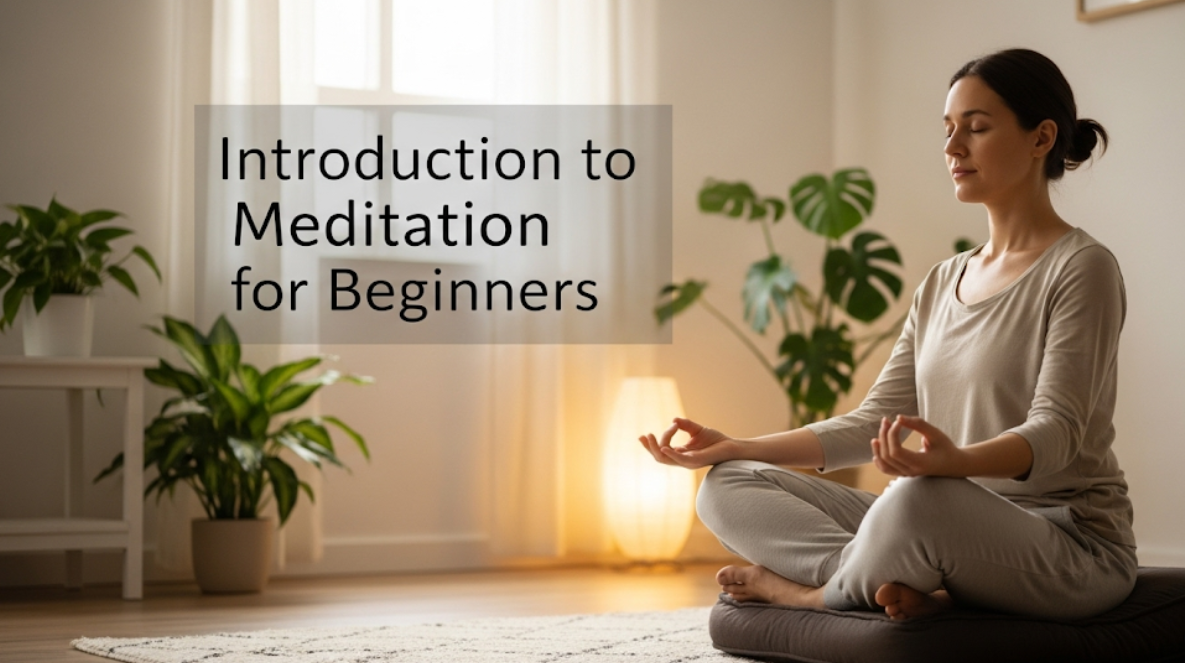
Meditation is the art of concentration or training your mind to focus and be more conscious of your thoughts, feelings, & environment. This is like going to the gym, but instead of working on your ability to be in safe fight/flight much easier you are increasing your calm control.
Most simply, meditation is sitting down and observing your breath (or a word, or a sensation). Wander and it will, in the mind of yours. Then, you return your attention to your focus point gently. That’s it. No mystical experiences required.
The Science Behind Meditation
One study even shows that meditation on a recurring basis can physically alter your mind. Brain scans of individuals who meditate regularly show:
- Thicker gray matter associated with learning and memory
- Decreased amygdala activity (the part of your brain that feels fear)
- Greater connectivity between brain regions
- Higher gamma-aminobutyric acid (GABA) neurotransmitter action, which leads to relaxation
This is why meditation works with stress, anxiety, focus and emotional regulation.
Why Should You Start Meditating?
Meditation is more than just a way of relieving stress. This is what routine practice can bring for you:
Mental Health Benefits
- Lower Stress and Anxiety: Meditation decreases cortisol—because it will lower your stress hormones
- Mood enhancement: Its regular practice elevates the production of both serotonin and dopamine, which are neurotransmitter hormones that are responsible for feelings of happiness and well-being
- Improves emotion regulation: You are less reactive to stressful situations
- Increases self-awareness: especially in how you think and what triggers those thoughts
- Prompts patience: Consistent meditation increases one’s discomfort or frustration tolerance
Physical Health Benefits
- Lowers blood pressure: The deep breathing slows down the process and helps to relax blood vessels
- Gets better sleep: Meditation stimulates the parasympathetic nervous system
- Improves immunity: Lower stress level results in effective working of immune system
- Alters pain processing and decreases different forms of chronic pain
- Aging may slow: Research indicates that meditation could have a protective effect on telomeres, the cells responsible for cellular aging
Cognitive Benefits
- To have laser-like concentration: That practice makes you better at practicing
- By improving memory: Meditation boosts activity in brain regions related to memory
- Increases creativity: A mind at peace finds better connections to be creative
- Decision-making improves: Reduced emotional reactivity makes for clearer choices
- Helps improve productivity: Instead of micro tasking, leads to multi tasking so one can rather go from deep work session to another with more output in less possible time
Meditation for Beginners: Different Types
Meditation is not for all. Here are the most accessible approaches for beginners:
Mindfulness Meditation
This is the most common and studied form of meditation. You just notice the thoughts, feelings and sensations without deciding if they are good, or bad.
How to practice:
- Relax and close your eyes
- Focus on your breath
- When your thoughts begin to arise, accept them and go back to your breath
- Continue for 5-10 minutes
Who it’s for: Beginners looking for a basic, evidence-based approach
Breathing Meditation
And the aim of this technique is your breathing pattern. This is especially useful when it comes to anxiety and stress relief.
Popular breathing techniques:
- 4-7-8 breathing: Inhale for 4 counts, hold for 7 counts and exhale for 8 counts
- Box breathing (4–4–4–4): Inhale, Hold, Exhale and Pause for the same amount of time
- Natural breathing: If that seems too much for you, try observing your natural breath rhythm
A good choice for: People who are anxious or sleepless
Body Scan Meditation
Repeatedly focus on each part of your body, releasing built-up tension from that area as you do.
How to practice:
- Lie down comfortably
- Start with your toes and work your way up your body
- Notice any tension or sensations
- Take a deep breath, with the exhalation relax areas of tension as if you were softening around them
- Repeat until you have scanned your entire body
Ideal for: People with physical stiffness or fidgetiness in seated meditation
Guided Meditation
Good for beginners, guided meditations come as recordings that instruct you through the practice.
Popular types:
- Sleep meditations
- Stress relief sessions
- Confidence boosters
- Visualization exercises
Recommended for: Absolute beginners who want a helping hand through the process
Walking Meditation
This is a moving meditation, so good if you struggle to sit still.
How to practice:
- Walk slowly and deliberately
- Pay attention to the feeling of your feet on the ground
- Breathe in time with your steps
- Return to walking when mind has wandered
Useful for: Anyone who has trouble sitting still through meditation in a chair
Getting Started with Meditation
And anyone can meditate today, now, with whatever we have. Here’s your step-by-step guide:
Step 1: Choose Your Space
Having the perfect meditation room is not necessary but having a usual spot helps to form the habit.
Ideal meditation space characteristics:
- Quiet and free from distractions
- Comfortable temperature
- Minimal clutter
- Soft lighting (natural light if you can)
- A thick cushion, chair or comfortable mat
Step 2: Pick Your Time
Consistency matters more than duration. Pick a time that will be sacred for your daily practice.
Best times for beginners:
- In the morning: This is when your mind is most clear, and you won’t have very many excuses not to go
- Before going to sleep: promotes relaxation and enhances sleep
- Lunch hour: Midday pick me up + energy booster
- Post work: Just changes the stress routine from office to home
Step 3: Start Small
The number one mistake beginners make is trying to do long sessions right out of the gate. Sometimes this might make one frustrated and de-motivated.
Recommended progression:
- Week 1-2: 3-5 minutes daily
- Week 3-4: 5-10 minutes daily
- Month 2: 10-15 minutes daily
- Month 3+: 15-20 minutes daily
Step 4: Choose Your Technique
Focus on one of the techniques above (whose types have been talked about before this section) for at least two weeks. During this period you will have the luxury of really training for a new technique and not have to learn another one.
Step 5: Set Realistic Expectations
Meditation is not the cessation of thoughts or experiencing some blissful state! So just watch the way your mind is working without making any judgment on yourself.
Common misconceptions:
- ❌ “I should have no thoughts”
- ✅ “I will pay attention to my thoughts and come back to my focus”
- ❌ “I’m supposed to feel peaceful right now”
- ✅ “Benefits develop gradually over time”
- ❌ “I suck at meditation because I can’t concentrate if my mind is all over the place”
- ✅ “Mind wandering is normal and part of the practice”

Essential Meditation Techniques for Beginners
Let’s dive deeper into specific techniques you can start practicing today:
The Basic Breathing Technique
This foundational technique works for almost everyone, and you don’t need any special equipment.
Step-by-step instructions:
- Get in sitting position: Well-seated on a chair or cross-legged on the floor. Also, keep your back straight — but not too rigid.
- Shut your eyes: This will cut down on outside visual distractions and bring the awareness inward.
- Find your breath: Determine where you feel your breath most distinctly – in the nose, chest, or belly.
- Count your breaths: Count each exhalation from 1 to 10, then start back at one. Just start again at 1 if you lose track.
- Defend against distractions: When you become distracted by thoughts, sounds, or bodily sensations, recognize them without judgment and then go back to counting.
The 5-4-3-2-1 Grounding Technique
This technique is ideal for times when you are feeling anxiety or overwhelm.
How to practice:
- 5 things you can see: Look around and identify five objects
- 4 things you can touch: Feel 4 types of material (or surface) you can touch
- 3 things you can hear: Listen for 3 sounds you are not used to hearing
- 2 things you can smell: Recognize 2 different scents
- 1 thing you can taste: Focus on the current taste in your mouth
This is a wonderful way to center and ground yourself in the here and now.
Progressive Muscle Relaxation
This is a form of meditation in which relaxation at the physical level is also achieved.
The process:
- Begin with your toes and then clench for 5 seconds the muscles
- Then release the tension quickly and feel the relaxation
- Systematically work through each muscle group:
- Feet and calves
- Thighs and glutes
- Abdomen and chest
- Hands and arms
- Shoulders and neck
- Face and scalp
- Finish with a 5-second full body tension followed by complete relaxation
Common Meditation Challenges and Solutions
Every beginner faces obstacles. Here’s how to overcome the most common ones:
“My Mind Won’t Stop Thinking”
The reality: Thinking is the healthy use for your mind. The goal is not to stop thoughts, but rather just to notice them without getting caught up in them.
Solutions:
- Keep the mind busy with counting or labeling
- Use guided meditations with a bit more structure
- Remember, the act of awareness is a success— not a failure
- Consider mantra meditation, if focusing on your breath is too hard
“I Don’t Have Time”
The reality: Just 3 minutes of meditation can do wonders. You likely spend more time on social media scrolling.
Solutions:
- Begin slowly, with only 2–3 minutes a day
- Turn activities (walk, commute) into meditative states
- Try some quick guided sessions via apps
- Substitute one time waster with meditation
“I Fall Asleep During Meditation”
The reality: This happens to almost everyone during the day if you are a little tired, or in a good napping position.
Solutions:
- Meditate sitting, not lying down
- Meditate at different times in the day when you are not as tired from routine tasks like work
- Sleepy still? Open your eyes a little bit
- Make sure you get a good night’s sleep
“I Feel More Anxious After Meditating”
The reality: Meditation may begin to tune you more into the anxiety that was already present.
Solutions:
- Try shorter sessions (2-3 minutes)
- Practice breathing techniques, not open awareness
- Try guided meditations that are for anxiety specifically
- Keep in mind that this gets better with practice
“I Can’t Sit Still”
Reality: Beginners especially are restless physically.
Solutions:
- Practice mindfulness by doing walking meditation
- Start with very short sessions
- Be sure to get comfortable in your seat
- Practice body scan meditation to help with physical sensations
Creating Your Meditation Routine
To establish a sustainable practice, it needs to be carefully planned and executed day in and day out. Here’s how to create a routine that sticks:
Daily Meditation Schedule Template
| Time | Duration | Type | Notes |
|---|---|---|---|
| Week 1-2 | 5 minutes | Basic breathing | Focus on consistency |
| Week 3-4 | 7-10 minutes | Basic breathing + body awareness | Add body scan elements |
| Month 2 | 10-15 minutes | Mix techniques | Try different styles |
| Month 3+ | 15-20 minutes | Personal preference | Stick with what works |
Weekly Practice Structure
You can also move through a week filled with different meditation techniques:
- Monday: Back to basics breathing meditation
- Tuesday: Try guided meditation for variety
- Wednesday: Body scan (mid-week stress relief)
- Thursday: Back to breathing meditation for consistency
- Friday: Try walking meditation to end the work week
- Saturday: Longer session (if you have time) or try something new
- Sunday: Choose easy & gentle practice to prepare for the week
Tracking Your Progress
Track the following things in a simple meditation journal:
- Duration of each session
- Technique used
- How you felt before and after
- Any insights or challenges
- Overall mood and stress levels
Tools and Resources for Beginning Meditators
Meditation Apps
Free options:
- Insight Timer: Largest free meditation library with timer functions
- UCLA Mindful: Evidence-based meditations from UCLA’s research center
- Smiling Mind: Great for beginners with structured programs
Paid options:
- Headspace: Beginner-friendly with animated explanations
- Calm: Beautiful interface with sleep stories and nature sounds
- Ten Percent Happier: Practical approach backed by science
Physical Tools
Essential items:
- Meditation cushion or comfortable chair
- Timer or meditation app
- Blanket for warmth (especially for longer sessions)
- Notebook for journaling
Optional additions:
- Meditation bell or chime
- Essential oils or incense
- Eye pillow or meditation mask
- Soft background music or nature sounds
Books for Deeper Learning
- “Wherever You Go, There You Are” by Jon Kabat-Zinn: Perfect introduction to mindfulness
- “The Miracle of Mindfulness” by Thich Nhat Hanh: Simple, practical wisdom
- “Real Happiness” by Sharon Salzberg: 28-day meditation program for beginners
- “The Mind Illuminated” by Culadasa: Comprehensive meditation manual
Online Resources
- UCLA Mindful Awareness Research Center: Free guided meditations and research
- Mindful.org: Articles, techniques, and community
- Greater Good Science Center: Research-backed mindfulness resources
- YouTube: Free guided meditations and instructional videos
Building Long-term Success
Setting Realistic Goals
Month 1 Goals:
- Meditate for 5 minutes daily on 20 out of 30 days
- Learn basic breathing technique
- Identify best time and place for practice
Month 3 Goals:
- Increase to 10-15 minutes daily
- Try 2-3 different meditation styles
- Notice improvements in stress or focus
Month 6 Goals:
- Establish consistent 15–20 minute daily practice
- Feel comfortable with your preferred technique
- Experience noticeable benefits in daily life
Dealing with Motivation Dips
Everyone experiences periods where motivation wanes. Here’s how to push through:
Strategies for staying consistent:
- Lower the bar: If 10 minutes feels too hard, do 3 minutes
- Change your approach: Try a different technique or location
- Find accountability: Join a meditation group or tell a friend about your practice
- Remember your why: Reflect on the benefits you’ve experienced
- Be compassionate: Missing a day doesn’t mean failure
Signs of Progress
Progress in meditation is often subtle. Look for these indicators:
Immediate signs (days to weeks):
- Feeling calmer during meditation sessions
- Less resistance to sitting still
- Better ability to return attention to your focus point
Medium-term signs (weeks to months):
- Improved stress response in daily life
- Better sleep quality
- Increased self-awareness
- More emotional balance
Long-term signs (months to years):
- Significant improvements in focus and concentration
- Greater resilience during difficult times
- Deeper sense of well-being and life satisfaction
- More compassionate relationships with others
Your Meditation Journey Starts Now
Meditation isn’t about perfection — it’s about practice. Every moment you spend training your attention is valuable, regardless of how “successful” the session feels. The benefits accumulate over time, often in ways you won’t notice until you look back after weeks or months of consistent practice.
Remember that meditation is a personal journey. What works perfectly for your friend might not suit you, and that’s completely normal. Give yourself permission to experiment, make mistakes, and find your own path.
The most important step is the first one. You don’t need to wait for the perfect moment, the right equipment, or more knowledge. You can start right now, exactly where you are, with whatever you have. Your future self will thank you for beginning today.
Whether you’re seeking stress relief, better focus, improved relationships, or simply a few minutes of peace in your busy day, meditation can help you get there. The practice is simple, the benefits are real, and the journey begins with a single breath.
Take that breath now, and welcome to your meditation journey.