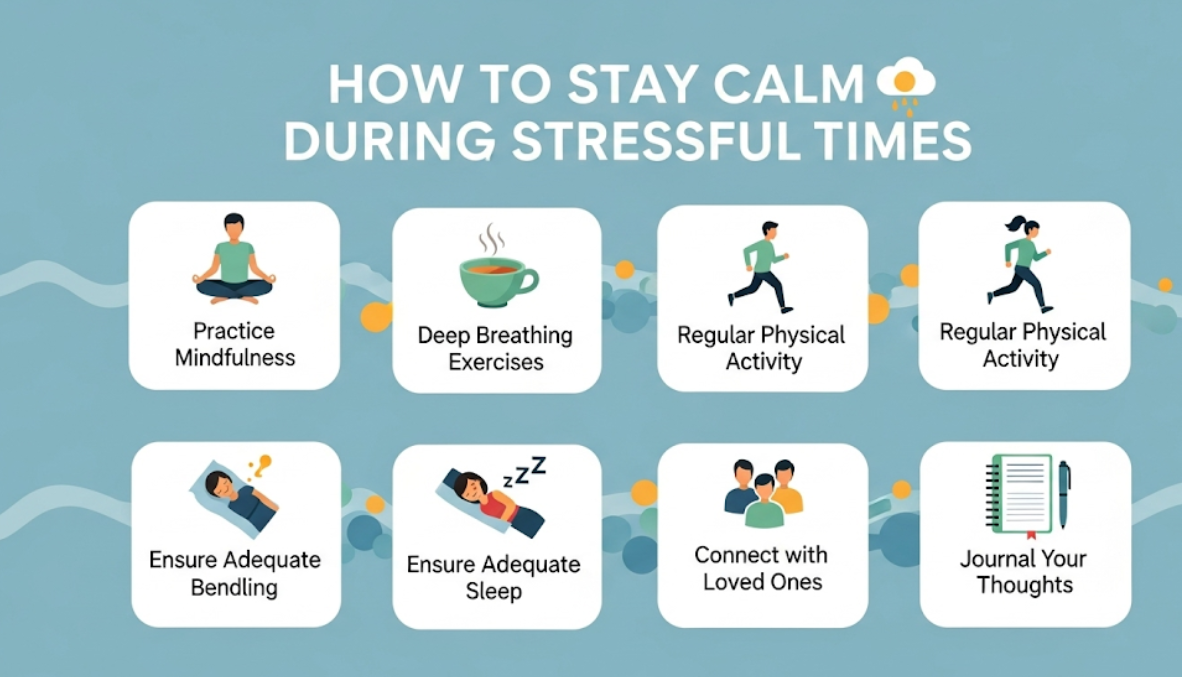

Just when we thought we had everything under control, life comes along and throws us a curveball. Be it an intense job, family issues, health factors or uncontrollable world events; stress can also seep into our lives and flood us with a sense of being overwhelmed. The good news? We have more power than we realize in our ability to manage stress and remain calm.
In this ultimate guide, we will dive into simple, evidence based tips that anyone can apply to maintain presence during rough times. You will learn quick fixes you can pull out of your pocket when you need them, as well as more long term habits that build up resilience in the long game.
The Remarkable Way Stress Can Hurt Us
But before I jump into that advice, let me control your stress by giving you some science on what is happening to our bodies when we are in stressful situations. Normally, when your brain senses there is a threat (real or imagined), it signals your fight-or-flight response. This ancient survival mechanism appears in the form of hormones like cortisol and adrenaline.
While this response can potentially save your life when real emergencies crop up, it becomes very hard to handle alert status in everyday problems like work deadlines, relationship disputes or making ends meet. It responds as though it’s being charged by a bear instead of receiving an angry email from your boss.
Common Physical Signs of Stress
- Rapid heartbeat
- Shallow breathing
- Muscle tension
- Sweaty palms
- Stomach butterflies
- Headaches
- Difficulty sleeping
Mental and Emotional Symptoms
- Racing thoughts
- Difficulty concentrating
- Feeling overwhelmed
- Irritability
- Anxiety about the future
- Feeling out of control
3 Simple and Easy Ways to Get Out of a Bad Mood in Minutes
Your trigger warnings need to move you out of your busy mind and into your body because when stress is high, you think too slow. They take just a minute or two, so they are quick enough to demonstrate in situations where you need them: under pressure.
The 4-7-8 Breathing Method
Below is a basic breathing practice that turns on the body relaxation response nearly promptly:
- Exhale completely through your mouth
- Close your mouth and breathe in through your nose 4 counts
- Hold your breath for 7 counts
- Breathe out 8 counts (mouth)
- Repeat 3-4 times
Why It Works: This pattern will slow your heart rate and send signals to the rest of your nervous system that it is okay to relax.
The 5-4-3-2-1 Grounding Technique
This technique enables you to focus away from your worries and into a good state of presence with:
- 5 things you see: Look around and make a list of five objects
- 4 things you can physically touch: the fabric of your shirt, a table, a wall
- 3 things you can hear: Pay attention to sounds in your surroundings
- 2 things you can smell: Pay attention to scents in your immediate surroundings
- 1 thing you can taste: What do you taste in your mouth
Progressive Muscle Relaxation
This technique releases physical tension that arises during stress:
- Begin with your toes — squeeze them for 5 seconds, then release
- Do the same thing for your calves, thighs etc
- Go through each muscle group up to your face
- Notice the tension vs the relaxation
Building Your Daily Stress-Resistance Arsenal
Quick hacks are great but true long-term resilience comes from every day consistency. Consider them your “stress insurance policy” — the investments you make when things are good to cash in on when things get rough.
5 Morning Habits for Success in Life
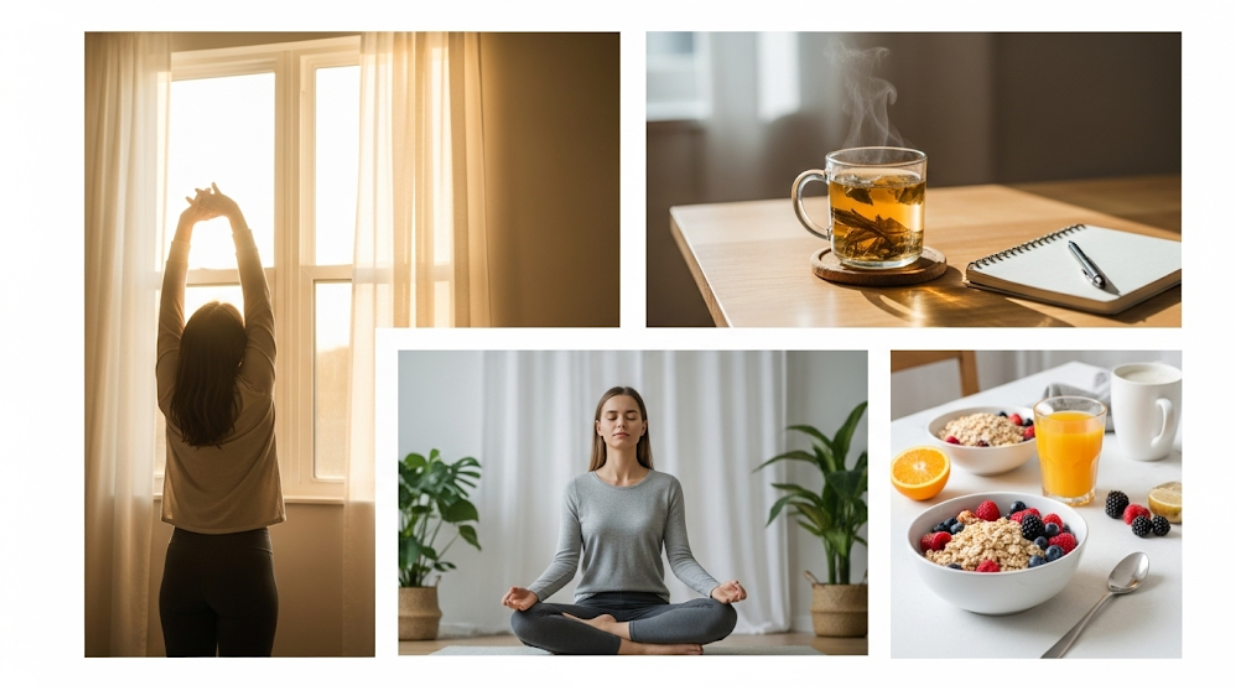
The first half of your day sets the tone for how reactive you will be to stress in the latter part of the day. Consider incorporating these elements:
The Power Hour Approach:
- Light 20-minute movements or stretching
- 20 minutes of mindfulness or meditation
- Half an hour of reading or writing in your journal
Mini Morning Reset (15 minutes):
- 5 minutes of deep breathing
- 5 minutes of gratitude journaling
- 5 minutes of taking time to decide how you want today to go
Exercise: Your Natural Stress Reliever
Physical activity is one of the best stress management tools there is. Movement releases endorphins (your body’s natural little happiness pills) and breaks down some of the stress hormones we are inundated with every day.
| Exercise Type | Time Needed | Stress-Relief Benefits |
|---|---|---|
| Brisk walking | 10-30 minutes | Clears mind, boosts mood |
| Yoga | 15-60 minutes | Combines movement with mindfulness |
| Dancing | 10-30 minutes | Fun way to release tension |
| Swimming | 20-45 minutes | Full body stress release |
| Strength Training | 20-45 minutes | Builds confidence and physical resilience |
Nutrition for Stress Management
What you eat can affect your stress load directly. Certain foods might make you feel more on edge, while others help promote wellness and relaxation.
Stress-Fighting Foods:
- Leafy greens (magnesium for muscle relaxation, found in spinach, kale etc)
- Fatty fish (for brain health, omega-3s)
- Berries (stress fighters due to antioxidants)
- Dark Chocolate (but no more than a tiny bit of this cuts cortisol)
- Herbal teas (chamomile, lavender for relaxation)
Foods You Should Cut Down on During Stressful Times:
- Excessive caffeine
- Processed foods high in sugar
- Alcohol
- Heavy, greasy meals
Mental Strategies for Long-Term Calm
Your thoughts are a big factor in how stressed you get. Better control of your mental habits is the best way to increase stress endurance.
Reframing Negative Thoughts
Stress is frequently derived from how we assess things rather than the things themselves. Everything shifts in the conversions of reframing.
Instead of: “This is a disaster” Try: “This is difficult, but I can make it through”
Instead of: “I always screw things up” Try: “I am growing and getting better with every attempt”
Instead of: “I have no control” Try: “I can control how I respond to this situation”
The Power of Acceptance
But the struggle against reality often results in more suffering than the situation itself. Acceptance does not mean we have to stand still — absolutely not; acceptance is not a call for giving up; it just means recognizing what is and channeling our energy into what we can control.
Three Categories Exercise:
- Things I can control completely
- Things I can influence but not control
- Things completely outside my control
Free up your energy for categories 1 and 2, let go of all that falls in the 3rd category.
Time Management for Stress Reduction
One of the worst enemies when it comes to stress is poor time management. These strategies can help:
Priority Matrix Method:
- Urgent and Important: Do immediately
- Important but Not Time Sensitive: Schedule for the future
- Urgent and NOT Important: If you can delegate — by all means go ahead and do so!
- Neither Urgent nor Important: Eliminate
Time Blocking Technique:
- Scheduled time for each task to be done at certain time slots
- Include buffer time between tasks
- Schedule breaks and self-care time
Creating Your Stress-Free Environment
The burden of your stress is much due to the physical and social structure that surrounds you. Any change, no matter how small can have a big impact.
Optimizing Your Physical Space
At Home:
- Declutter regularly (mess increases cortisol)
- Get plants (yes, they help with stress)
- Create a designated “calm space”
- Use calming colors and soft lighting
At Work:
- Keep your workspace organized
- Add personal touches for happiness
- Keep proper lighting and air circulation
- Take regular breaks from screens
Building Your Support Network
Strong relationships are the absolute best when stress starts to hit you. Engage with healthy people and activities.
Qualities of Supportive Relationships:
- They listen without the intent to immediately fix
- They provide inspiration during the tough moments
- They respect your boundaries
- They share positive experiences with you
How to Build Your Support Network:
- Consistently check in with close friends
- Join groups with like-minded people
- Start with being a good listener yourself — like anything, it can be learned
- Ask for help if you need it
Technology and Stress: Finding Balance
Technology can also ease your stress if used properly.
Helpful Apps and Tools
Meditation Apps:
- Headspace (guided meditations)
- Calm (sleep stories and relaxation)
- Insight Timer (free meditation library)
Stress Tracking:
- Apps to track your mood and identify patterns
- Heart rate variability monitors
- Sleep tracking for better rest
Digital Boundaries for Mental Health
News Consumption Guidelines:
- Schedule specific times to check news
- Pick credible sources, not sensational ones
- Take regular “news fasts”
- Focus on local news where you can actually have an impact
Social Media Management:
- Unfollow accounts that increase stress
- Use time limits on apps
- Establish “no-phone” areas at home
- Use the “pause before posting” rule
When Professional Help Makes Sense
Sometimes stress is untameable despite our best efforts. Knowing when it is best to get professional help is a strength, not a weakness.
Warning Signs That You Need Help
- Persistent sleep problems lasting weeks
- Problems working or in relationships
- Increased alcohol or substance use for coping
- Persistent feelings of hopelessness
- Physical symptoms without medical explanation
- Thoughts of self-harm
Types of Professional Help Available
Therapy Options:
- Cognitive Behavioral Therapy (CBT) for addressing thought patterns
- Mindfulness-Based Stress Reduction (MBSR)
- EMDR (for trauma)
- Group therapy for shared experiences
Medical Support:
- Primary care doctor for physical symptoms
- Psychiatrist for medication if needed
- Nutritionist for dietary support
Developing Your Personal Stress Management Plan
The truth is, not every stress relief method works the same for everyone. The important thing is to determine the technique that is best for you and make an individualized plan.
Your Stress Management Toolkit
Daily Practices (choose 2-3):
- Morning breathing routine
- Regular exercise
- Mindful eating
- Evening gratitude practice
Weekly Practices (choose 1-2):
- Longer nature walks
- Social connection time
- Hobby or creative activity
- Planning and organizing session
Emergency Techniques (always available):
- 4-7-8 breathing
- 5-4-3-2-1 grounding
- Progressive muscle relaxation
- Quick walk outside
Tracking Your Progress
Maintain a simple stress journal and note:
- Daily stress levels (1-10 scale)
- What techniques you used
- What worked best
- Patterns you notice
Moving Forward with Confidence
Dealing calmly with stress is not the same as being stress free (neither possible nor healthy). Rather it’s about your ability to navigate challenges that come along the way with grace.
However, you have to remember that acquiring these skills takes time and practice. Have patience as you test out different techniques to see what suits your own circumstances and personality.
Start really easy, with a single tip or two, and implement them into your life for at least a week of consistent practice. Once they feel comfortable and natural, gradually increase over time.
The goal isn’t perfection—it’s progress. Each little thing you do to manage stress is an investment in a better life for yourself, and lasting peace of mind. You have more control over your stress response than you might think, and with the right tools and practice, you can learn to stay calm and centered even when life gets turbulent.
As you read this, the journey to greater calm and resilience begins with your very next breath. Make it a deep one.