


Did someone once say to you, ‘you’re totally being such a Scorpio’ or something about how fire and water signs don’t mix? Welcome to the world of zodiac stereotypes: an intriguing cocktail of millennia-old wisdom, social constructs and contemporary misinformation that helps millions of people describe character traits and evaluate the nature of communication between one another.
People have been fascinated by the zodiac signs for centuries, though we tend to speak about them today in significantly different terms than they actually mean. Whether in those crazy industry colleague charts or dating app filters, astrological assumptions have permeated our contemporary cultural landscape and created such a complex tissue of superstitions that it really needs to be unpicked.
Origins of Zodiac Beliefs
Ancient Astronomy Meets Human Nature
Long before horoscopes graced the pages of contemporary fashion magazines, ancient civilizations were turning their gazes skywards, seeking counsel from the stars. Modern astrology traces to Babylonian astronomy around 2,000 years ago and reached Greece in the 4th century B.C. By the time Ptolemy lived more than 400 years later, the Greeks had connected celestial motions with human personalities.
But the characteristics we now associate with each sign were created in a much more convoluted way:
Seasonal observations: Ancient cultures learned from observing that certain behaviors and habits coincided with the season of birth.
Agricultural cycles: Associations with cultural elements were developed around aspects like harvest times, planting seasons and so on.
Mythological stories: Greek and Roman legends that determined what each constellation looked like.
Cultural transmission: Over thousands of years different societies added their own spin.
How Modern Astrology Evolved
Today, the zodiac signs that we talk about are far different from those of ancient times. Modern astrological personalities emerged from centuries of influence by medieval astrologers, Renaissance scholars, and 20th-century pop culture.
| Period | Biggest Changes | Biggest Impact |
|---|---|---|
| Ancient (2000 BCE – 500 CE) | Basic personality layouts | Religious and agricultural guidance |
| Medieval (500 – 1500 CE) | Complex astrology advancement | Health |
| Renaissance (1400 – 1600) | Psychological analysis | Character assessment |
| Modern (1900-Present) | Pop culture/media | Entertainment culture |
Zodiac Stereotypes Gone Awry
Fire Signs: More Than Just Hot Heads
We have myths associated with these personality frameworks and you hear often that Aries, Leo, and Sagittarius are all more or less on the same wavelength when in fact…
Common Myths:
- Fire signs are naturally aggressive, angry and frustrated
- They are not emotionally strong
- Fire signs are natural leaders; they will always try to be the boss
- Water and earth signs cannot be with them
Reality Check: Fire signs are basically different forms of energy expression. Aries, with a pioneering spirit; Leo, displaying creative confidence; and Sagittarius, full of philosophical enthusiasm. Most fire signs are major empaths and make great support staff.
Water Signs: What “Emotional” Really Means
Modern astrology perpetuates some of the most stifling stereotypes about Cancer, Scorpio and Pisces.
Persistent Myths:
- Water signs are always crying or way too sensitive
- They’re manipulative and moody
- Automatic jealousy and vengeful behavior from Scorpios
- Pisces are self-deluded and never live in reality
The Reality: Water signs feel so deeply that they most often have amazing intuition, creativity and healing abilities. Water signs leverage their emotional intelligence as a strength, and often this propels them to become great leaders, artists, or innovators.
Earth Signs: The Most “Boring” of the Star Signs
Taurus, Virgo and Capricorn are often accused of being boring or too materialistic.
Cultural Misconceptions:
- Earth signs are stubborn, set in their ways and resist change
- Money and material things are the only things that they care about
- The exaggerated idea that Virgos are angry and critical perfectionists
- They lack creativity and imagination
The Reality: Earth signs bring a strong foundation and grounded solutions to chaotic situations. The best are invariably the most creative problem solvers, as a result of understanding that ideas alone are no good without concrete means of making them work.
Air Signs: More Than Just “Flighty” Thinkers
Gemini, Libra and Aquarius are often dismissed as being fickle or superficial.
Common Assumptions:
- Air signs don’t like to commit in relationships or projects
- They’re always changing their minds
- Geminis have “two-faced” personalities
- They prioritize ideas over emotions
The Whole Picture: Air signs are fantastic at communication, mediation, and knowledge sharing. We read their adaptability as inconsistency, but it is also how they are able to contribute to difficult social situations.
The Element Wars: Debunking Relationship Compatibility
The “Incompatible Elements” Myth
One of the longest-lasting cultural myths is that some zodiac elements cannot get into relationships together. That linear perspective has helped make dating decisions for countless individuals.
Popular Compatibility Myths:
- Fire extinguishes water and water puts out fire
- Earth and air would be incompatible
- Same-element relationships are natural, perfect matches
- Opposites never work out
What Research Actually Shows
Astrological matches have their own interesting patterns:
Couples share life goals & communication styles, not sun signs: Higher levels of satisfaction are reported by couples when sharing similar values over zodiac signs.
Complementary differences can be beneficial: Pairings where the other person’s strengths complement your weaknesses can be more balanced.
Cultural expectations shape findings: If you think your signs are compatible, then minor issues in a relationship might be ignored; those same things may become “evidence” of incompatibility if you believe your pairing is doomed.
Personality aspects take precedence over sign stereotypes: Birth charts analyze numerous planetary factors that yield their own personality mix.
Growing Beyond Star Signs
We have better ways to predict compatibility than using zodiac signs:
- Communication styles: How you each express needs and handle conflicts
- Life priorities: Career, family, personal growth alignment
- Emotional maturity: Resilience under stress and ability to compromise
- Common interests: Activities that you both enjoy doing together
Zodiac Sign Stereotypes in The Workplace
Professional Pigeonholing
In the modern workplace, zodiac stereotypes can unjustly impact hiring decisions, team assignments and career advancement opportunities.
Limiting Career Assumptions:
- Virgos make great detail-oriented workers (though they can be very competent creative leaders)
- Leos are natural performers (some shy away from the limelight in favor of strategic behind-the-scenes work)
- Capricorns are corporate climbers (but many live for art and humanitarianism)
- Geminis are good at communication roles (but they might have better technical or analytical skills)
The Diversity of Individual Talents
Work success depends on much more complex factors than sun signs:
- Education and training
- Work experience and skill development
- Personal motivation and work ethic
- Team collaboration abilities
- Adaptability to changing industries
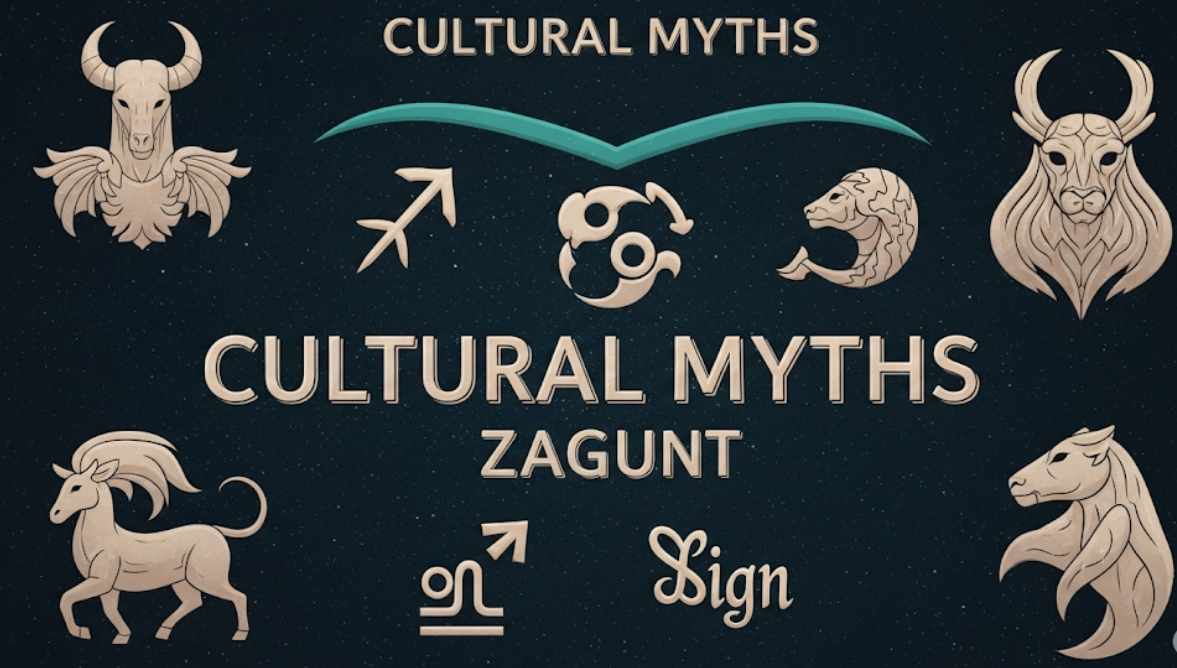
Social Conditioning That Influences Zodiac Myths
Media and Entertainment Impact
TV shows, movies, and social media have really helped to propagate these easy zodiac stereotypes.
How Pop Culture Distorts Astrology:
- Character tropes in movies: Geminis as unreliable sidekicks, Scorpios as villains
- Social media memes: Simple personality jokes without complexity
- Reality TV casting: Producers ensure cast members meet predetermined zodiac traits
- Magazine horoscopes: Daily affirmations about what type of person you are
Regional and Cultural Variations
Different cultures assign different meanings to specific zodiac signs, revealing that these beliefs are a function more of social norms than actual astronomical facts:
Western vs. Eastern Interpretations:
- Western astrology focuses on individual personality and psychological patterns
- Vedic astrology emphasizes karma, life lessons and spiritual realization
- Chinese astrology is based on 12-year cycles with animals — not the typical monthly divisions of Western astrology
Cultural Adaptation Examples:
- Latin American cultures often mix zodiac beliefs with religious practices
- Astrology is viewed as much more esoteric in northern Europe
- In Asia, wealthy individuals may seek feng shui masters and traditional Chinese astrologers for zodiac readings
Why People Believe in Zodiac Signs: Psychology
Because Humans Love Pattern Recognition
There are a few psychological phenomena that help to explain why many people continue to believe in their specific zodiac sign, despite weak evidence for it.
The Barnum Effect: People will accept vague and general personality descriptions as remarkably accurate statements of who they are. Horoscope writers purposefully write in a way that could be applied to almost anyone.
Confirmation bias: We pick up and recall information which reinforces the beliefs we already hold, while we discard any evidence that may contradict our views. If you think Aries individuals are impulsive, then the next time an Aries friend does anything impulsively, it will stick in your mind.
Pattern recognition: We are pattern recognition machines who see patterns and attach meaning to even random events. This makes correlations seem more important than they should be.
Social Identity and Belonging
Zodiac signs fulfill important psychological needs for community and shared identity:
- Belonging: Feeling a sense of kinship with others who have the same sign as you
- Self-awareness: A way to explain your personality and behaviors
- Social conversation: Small talk made simple for meeting new people
- Decision shortcuts: Simple strategies for making complex life decisions
Scientific Perspective on Astrological Claims
What Astronomy Tells Us
Modern astronomy has revealed information that doesn’t align with traditional astrological assumptions:
Precession of the Equinoxes: Over time, Earth’s axis slowly wobbles, which has caused the constellations to shift positions from when ancient zodiac systems were established. Your “sign” may not correspond to where the sun was actually located at the time you were born.
Stellar distances: The starlight we see began its journey to earth many years ago, having left stars long before their current positions were occupied.
Gravitational effects: Although there is no denying the universe affects you, a baby’s obstetrician has more gravitational power over the newborn than distant planets.
Research on Personality Correlations
Studies on birth month as it relates to personality show:
There is some research to suggest that season of birth has a very mild correlational effect on a few different things, but those are probably due to:
- Prenatal vitamin D exposure
- Early childhood seasonal experiences
- Cultural expectations around birth timing
- Maternal nutrition during pregnancy
Statistical reality: When controlling for cultural and environmental factors, personality differences between each sign disappear or become non-significant for the most part.
Modern Applications and Healthy Skepticism
Astrology as a Tool, Not a Rule
The concept of zodiac signs can find positive space in many areas:
Positive Applications:
- Self-reflection prompts: Using sign descriptions to think about personal strengths and growth areas
- Communication tool: Talking with friends and partners about personality differences
- Creative inspiration: Creating art or writing pieces with astrological themes
- Mindfulness exercise: Employing horoscopes as a tool for meditation or intention building
Avoiding Harmful Applications:
- Letting astrological guidance dictate major life choices
- Making assumptions about whether you can trust others based on their star sign
- Deciding relationships based on sign compatibility
- Ignoring opportunities because of astrological “caution”
Critical Thinking Approaches
When you encounter zodiac claims, ask yourself:
- Is this description too general to be significant? Would it apply to most people?
- What else could possibly be going on that would explain this behavior or situation?
- Am I seeking validation that supports what I want to believe?
- If I knew nothing about that person’s zodiac sign, how would I evaluate this situation?
The Future of Zodiac Culture
Evolving Interpretations
As we recognize greater diversity in society, astrological interpretations are also evolving beyond previous limitations.
Emerging Trends:
- Inclusive astrology: Validating non-binary gender expressions & diverse relationship styles
- Psychological integration: Astrology blending with established personality psychology
- Cultural respect: Avoiding appropriation from other astrological traditions
- Science literacy: Encouraging people to think critically while believing what they want
Balancing Tradition and Progress
Modern zodiac enthusiasts face the challenge of keeping the best of astrological culture while embracing growth and leaving behind outdated stereotypes.
Moving Forward Constructively:
- Celebrate the traditional history and culture
- Take the zodiac as a starting point for exploration, not a definitive answer
- Treat people as individuals, not just their sun signs
- Use astrology as one of many personal resources for growth and insight
Conclusion: A Guiding Star (Not a Governor)
The cultural myths associated with zodiac signs are as much about inherent human nature as they are about any celestial influences. It is natural and helpful for us to want to understand ourselves and navigate the world with a shared framework. The secret is to approach these ancient methodologies with both respect and a discerning mind.
While zodiac stereotypes should not define our view of ourselves or others, these astrological concepts can act as ice breakers, thought provokers, or even inspiration for creativity. The stars are not in control of our lives, but they do make for great conversation-starters about who we are as people, how we function in relationships, and the fascinating complexity of human nature.
Whether you are a hardcore astrology enthusiast or an intrigued skeptic, remember: A human is too complex to be described by any one system! Your horoscope is whatever you write every day with your choices and actions by committing to personal growth.
So the next time someone tells you that you are “such a Gemini” or warns you against dating a Scorpio, just smile and realize that the most fascinating people are those who choose not to be constrained by the stars — or even by cultural myths themselves.


